
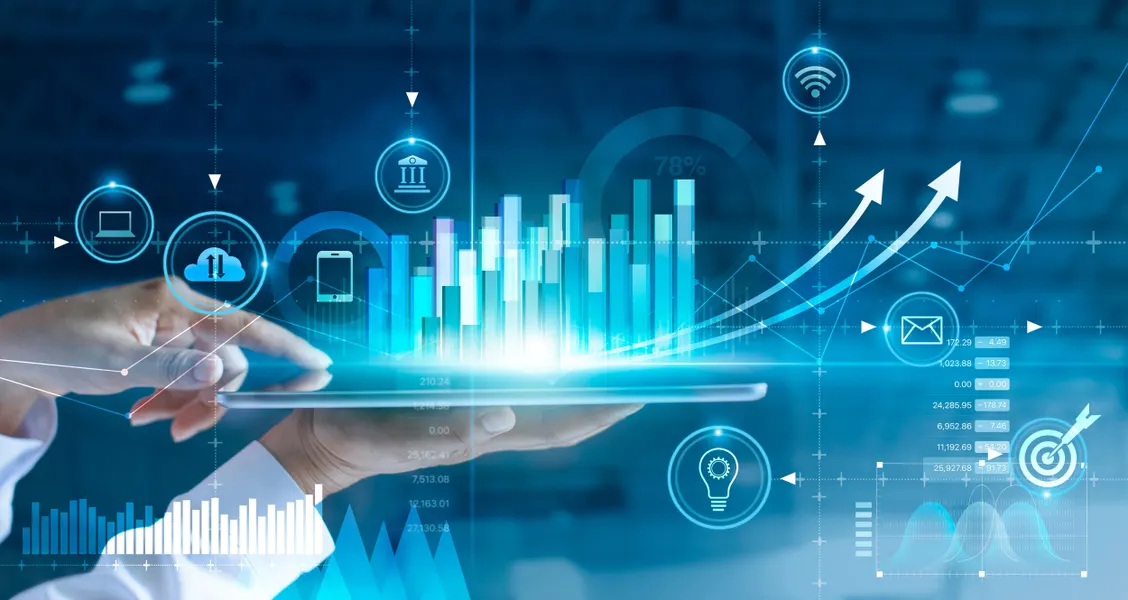
In today’s digital-first world, brands compete not only for attention but for meaningful engagement and measurable results. Every click, view, share, and purchase tells a story and within these stories lies the power to shape smarter marketing decisions. That’s where data analytics becomes the driving force behind effective digital marketing.
At TrustedCube, we believe that data is the backbone of every successful campaign. Understanding how to gather, analyze, and apply this data transforms marketing from a guessing game into a science. Let’s explore how data analytics is redefining digital marketing strategies and helping brands achieve unparalleled growth and visibility.
Understanding the Power of Data Analytics in Marketing
Data analytics is the process of collecting, interpreting, and leveraging data to make informed marketing decisions. From customer behavior and demographics to engagement patterns and conversion rates, every piece of data provides insights that help businesses:
- Identify their target audience more precisely.
- Personalize marketing content and offers.
- Optimize advertising spend and improve ROI.
- Measure campaign performance in real time.
Gone are the days when marketers relied solely on intuition or basic metrics. Today, data analytics allows digital marketers to craft campaigns that speak directly to customer needs and preferences, maximizing impact across every channel.
Core Components of Data Analytics in Marketing
To understand how data analytics shapes digital marketing, it’s important to look at its key components.
Data Collection
Everything begins with data collection. Marketers gather information through multiple channels — website analytics tools like Google Analytics, social media insights, CRM systems, email marketing platforms, and even customer feedback surveys.
For instance, tracking user behavior on a website helps identify which pages attract the most attention, how long visitors stay, and what actions they take before leaving.
Data Processing and Analysis
Raw data is just numbers until it’s analyzed. Through techniques such as segmentation, trend analysis, and predictive modeling, marketers uncover valuable insights about their audience and campaigns.
For example, analyzing engagement metrics might reveal that short-form videos perform better than long blog posts for a specific audience segment — guiding future content strategies.
Data Visualization
Visualizing data through dashboards and charts makes insights easier to understand and act upon. Marketers can quickly identify performance trends, spot anomalies, and make timely adjustments.
Data-Driven Decision Making
Once insights are clear, the real power of analytics emerges — using those insights to make smarter, evidence-based marketing decisions.
How Data Analytics in Marketing Enhances Targeting and Personalization
One of the most impactful ways data analytics shapes marketing campaigns is through precision targeting and personalization.
Precision Targeting
By analyzing demographic data, location, interests, and behaviors, marketers can create highly specific audience segments. Instead of promoting products to a broad audience, campaigns can focus on those most likely to convert.
For instance, an e-commerce brand can use data analytics to identify which products appeal to young professionals aged 25–35 living in urban areas, and then deliver personalized ads on platforms they frequent most.
Personalized Marketing
Personalization has become a non-negotiable in digital marketing. Data analytics helps tailor content, recommendations, and offers for individual users. Personalized emails, dynamic website content, and customized social ads significantly increase engagement and conversion rates.

Real-Time Campaign Optimization Through Data Analytics
One of the biggest advantages of data analytics in digital marketing is real-time optimization.
Through continuous monitoring, marketers can track performance indicators like:
- Click-through rates (CTR)
- Conversion rates
- Cost per click (CPC)
- Return on ad spend (ROAS)
If a campaign isn’t performing as expected, marketers can make immediate adjustments changing ad creatives, reallocating budgets, or refining audience targeting. This agility ensures that campaigns remain cost-effective and result-oriented.
At TrustedCube, we empower brands to make these data-backed adjustments on the fly, ensuring every campaign achieves its full potential.
Predictive Data Analytics in Marketing: Anticipating Customer Behavior
Predictive analytics uses historical data and machine learning to forecast future trends and behaviors. This technique enables marketers to anticipate what customers are likely to do next whether it’s purchasing a product, abandoning a cart, or responding to a specific type of content.
For example, if analytics show that customers tend to buy complementary products within a week of their initial purchase, marketers can automatically send personalized recommendations during that time window.
This proactive approach increases conversions, strengthens customer relationships, and enhances the overall marketing ROI.
Using Data Analytics in Marketing to Measure ROI and Campaign Effectiveness
In any digital marketing strategy, ROI (Return on Investment) is the ultimate measure of success. Data analytics provides clear visibility into where marketing budgets are being spent and how much value they generate.
Tools like Google Analytics, Meta Ads Manager, and HubSpot allow marketers to track the full customer journey from the first ad impression to final conversion. This makes it easier to identify which campaigns deliver the best results and where improvements are needed.
By continuously analyzing ROI, marketers can allocate resources more strategically and justify marketing investments with hard data.

Building Customer Loyalty Through Data-Driven Insights
Beyond conversions, data analytics helps build long-term customer relationships. By studying purchase histories, feedback, and engagement patterns, brands can create loyalty programs and retention strategies that keep customers coming back.
For example, data can reveal when a customer is likely to reorder or when engagement drops prompting targeted retention campaigns. Over time, this data-driven approach enhances brand loyalty and customer lifetime value.

The Future of Data Analytics in Digital Marketing
As technology evolves, data analytics will only become more integral to digital marketing. The rise of AI-powered analytics, automation, and predictive modeling is already transforming how marketers interpret and act on data.
At TrustedCube, we foresee a future where every marketing decision from content creation to ad targeting is guided by real-time, AI-driven insights. This level of precision ensures not only improved performance but also deeper, more authentic connections with customers.
Final Thoughts
Data analytics isn’t just a tool it’s the foundation of modern digital marketing success. It turns raw information into strategic intelligence, helping brands understand their audiences, refine their approaches, and achieve sustainable growth.
At TrustedCube, we specialize in harnessing the power of data to design impactful, measurable, and result-driven digital marketing campaigns. By integrating data analytics into your marketing strategy, you can make smarter decisions, create more personalized experiences, and achieve maximum visibility in a competitive digital landscape.